(2026 Supplementary Budget Special: Part 2)
An In-Depth Analysis of the ‘High Oil Price Damage Support Fund’ and Strategic Consumption
Executive Summary: As part of the 26.2 trillion won supplementary budget designed to overcome the energy crisis triggered by the Middle East conflict, the government has allocated 4.8 trillion won to a targeted support fund for households. This report analyzes the mechanics of this direct injection and the macroeconomic implications of protecting domestic purchasing power amidst inflationary shocks.
1. Situation Analysis: 4.8 Trillion Won as a Civil Defense Shield
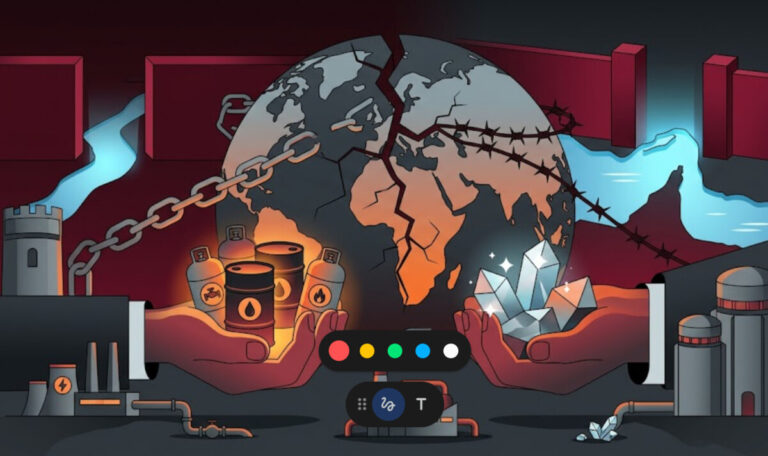
The prolonged geopolitical instability in the Middle East has sent international oil prices surging past $100 per barrel, triggering an emergency in the cost structures that sustain the South Korean economy. In response, the government has moved to shield the middle and lower-income classes—whose real income has been eroded by rising prices—by earmarking 4.8 trillion won for a “High Oil Price Damage Support Fund”. This initiative stands as the cornerstone of the 2.8 trillion won “Livelihood Stability” pillar within the broader 26.2 trillion won supplementary budget.
The hallmark of this support fund is its departure from universal “blanket” welfare. Instead, it employs a “pinpoint” methodology that meticulously combines income levels with regional economic conditions. By concentrating resources on vulnerable groups and residents in non-metropolitan areas—who are disproportionately affected by the current inflationary cycle—the government aims to mitigate the immediate economic shock while preventing a further widening of the wealth gap.
2. Hypothesis & Verification
: Can Subsidies Substantively Protect Purchasing Power?
[Hypothesis 1] The differentiated payment structure will effectively mitigate regional and class-based inequalities.
According to the government’s plan, approximately 35.8 million people—the bottom 70% of income earners—will be eligible for the fund. The individual payout ranges from 100,000 to 600,000 KRW, depending on income brackets and geography. A notable feature is the regional “top-up”: non-metropolitan residents receive an additional 50,000 KRW, while those in “Special” population-decrease zones receive up to an extra 150,000 KRW.
For instance, a basic livelihood recipient in a non-metropolitan preferential zone can receive a total of 600,000 KRW—comprising the base 100,000 KRW and a 500,000 KRW vulnerability premium. In contrast, a metropolitan resident in the general bottom 70% bracket receives 100,000 KRW. This design acknowledges the steeper rise in logistics-dependent commodity prices in rural areas. Therefore, the logic that financial resources will disproportionately flow to marginalized regions and low-income groups to defend against escalating costs is well-supported by the budgetary data.
[Hypothesis 2] Distributing funds via local currency will revitalize neighborhood economies.
Beneficiaries can receive funds through credit/debit cards or local currency points, with usage restricted to local currency affiliates. This mechanism is designed to prevent the capital from entering stagnant savings and instead force an immediate connection to local small business revenues. As seen during previous disaster relief cycles, this restricted payment method is expected to exert a strong, short-term stimulus on domestic demand.
Critical Perspective and Risk Management: Despite these intentions, macroeconomic concerns persist. The current inflation is a “Cost-push” variety driven by oil prices, not an overheating of demand. In such a climate, a massive injection of cash could inadvertently fan local inflation. In rural markets with less fluid supply chains, a sudden surge in spending could trigger a spike in food and service prices, potentially eroding the real value of the subsidy. This creates a risk where households receive cash, but subsequent price hikes leave their actual purchasing power unchanged—a “morning three, evening four” (Jo-sam-mo-sa) trap.
3. Deep Analysis: Hidden Benefits Beyond Direct Cash
Beyond the 4.8 trillion won in direct cash, the supplementary budget contains several “pinpoint” relief measures designed to lower household fixed costs. Government data indicates a significant allocation toward logistics and energy cost reduction.
- ① Temporary K-Pass Refund Expansion: To encourage public transit use amid rising fuel costs, the K-Pass refund rate will be hiked by up to 30 percentage points for six months. For low-income users, the rate will surge from 53% to 83%, effectively providing near-free transportation. This serves as a direct defensive tool against rising commuting expenses.
- ② Energy Voucher Expansion for Vulnerable Households: For approximately 200,000 households using kerosene or LPG (who often lack city gas infrastructure), an additional 50,000 KRW will be added to their energy vouchers, bringing the total support to 560,000 KRW. Furthermore, hundreds of billions are allocated to increase fuel, feed, and fertilizer subsidies for farmers and fishers to prevent a collapse in production.
- ③ Agricultural and Cultural Discounts: To stabilize the “grocery basket,” 80 billion won is allocated to discounts on agricultural, livestock, and fishery products. Additionally, the government will release 6.87 million discount coupons for movies (6,000 KRW), performances (10,000 KRW), and accommodations (20,000–30,000 KRW) to prevent a collapse in cultural consumption during the economic downturn.
4. Thinker’s Insight: Strategic Consumption in a Crisis
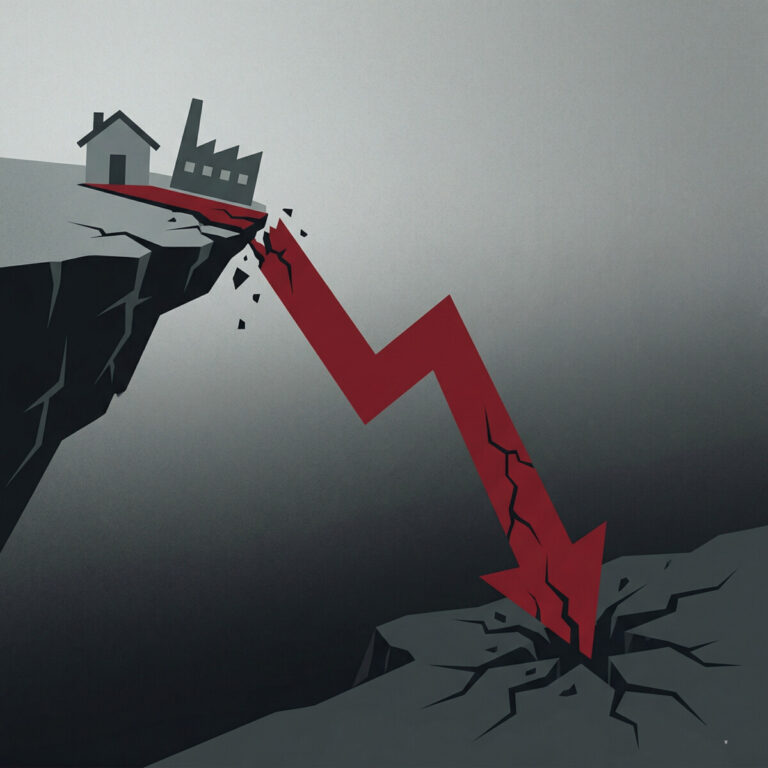
This 4.8 trillion won injection acts as an emergency ventilator for a household economy threatened by record-high exchange rates and energy prices. However, the policy’s limitations are clear: in an inflationary environment, cash support inherently carries the risk of further devaluing the currency and adding upward pressure on prices. While the government argues that a negative “GDP Gap”—where potential output exceeds actual demand—negates overheating risks, local markets are already at a breaking point due to cost pressures.
From the consumer’s standpoint, this subsidy should not be treated as “found money” for discretionary spending. Instead, it is prudent to use it for securing essential commodities prone to further price hikes or for offsetting fixed monthly costs. Specifically, maximizing non-cash benefits like the K-Pass refund or energy vouchers is a superior strategy for minimizing actual outflows.
The government expects this supplementary budget to bolster the growth rate by 0.2 percentage points. However, true success depends on whether these funds can settle into the lives of vulnerable classes without causing significant market distortion, thereby successfully distributing the shock of rising prices. In another part[Part 3], we will analyze the 2.6 trillion won allocated for the “AI Transformation” and “Supply Chain Stability” to identify opportunities in the industrial and investment landscape.
[References and Sources]
- Ministry of Planning and Budget, “2026 Supplementary Budget Proposal: Targeted Support for Livelihood Stability.”
- Ministry of Planning and Budget, “Press Release: Formulating a 26.2 Trillion Won Supplementary Budget to Overcome the Middle East Crisis.”
- Ministry of Planning and Budget, “Promotional Infographics on Energy Vouchers, K-Pass, and Cultural Discount Programs.”
Author: Economic & Finance Team Editor
Date: March 31, 2026